Wisdom teeth and braces: do they need to be removed?
Do wisdom teeth cause crowding of the front teeth, do they need to be removed before or after braces and what two systematic reviews say.

AuthorDr. Fidan AliyevaOrthodontist, Pitts Masters graduate
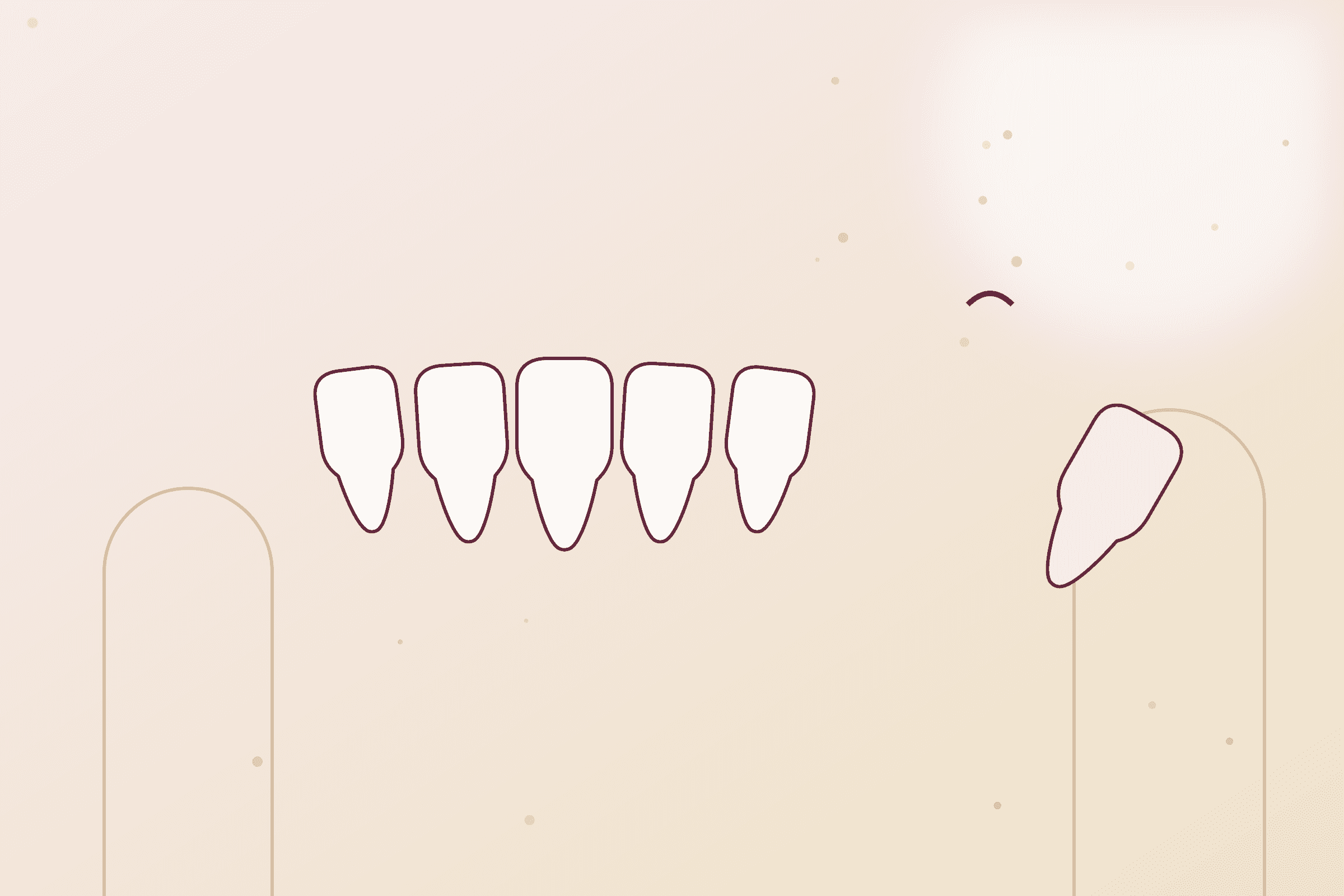
Short answer: the idea that "wisdom teeth push the front teeth and make them crooked" is widespread, but a systematic review does not clearly confirm this link. The main reasons the front teeth crowd again after braces are a lack of retention and the natural age-related movement of the teeth. A Cochrane review found insufficient evidence for the benefit of preventive removal of wisdom teeth that cause no pain, inflammation, decay or harm to the neighbouring tooth. The decision is made individually for each tooth.
Questions I often hear at consultations: "Do my wisdom teeth need to be removed before braces?" and "My front teeth became crooked again after braces, isn’t it because of my wisdom teeth?" In this article I explain what science says about this and how I make the decision.
What wisdom teeth are
Wisdom teeth, that is third molars, usually come in between ages 17 and 25. Often there is not enough room for them in the jaw and they either do not fully erupt or sit at an angle. In some people they do not develop at all.
The "they push the front teeth" myth
The idea sounds logical: a tooth comes in at the back and pushes the teeth in front. But research does not clearly show this. A 2024 systematic review and meta-analysis studied the link between lower wisdom teeth and crowding of the lower front teeth in people both with and without orthodontic treatment. The effect of wisdom teeth on crowding was insignificant or very small.
Crowding of the front teeth with age is often linked to other causes: the natural movement of teeth throughout life, late growth of the lower jaw, and pressure from the lips and tongue. After orthodontic treatment the main reason is a lack of retention or stopping it too early. See: why retention matters.
When removal is needed
| Situation | Usually |
|---|---|
| Pain, inflammation, swelling | An oral surgeon assesses, often removed |
| Decay in the wisdom tooth or the neighbouring tooth | Removal or treatment is discussed |
| Damage to the root of the neighbouring tooth | Removal may be recommended |
| It gets in the way of the orthodontic plan | An individual decision, for example when moving back teeth backwards |
| No symptoms, healthy, causing no problems | Monitoring is often enough |
Wisdom teeth in the orthodontic plan
In some cases wisdom teeth affect the orthodontic plan. For example, if back teeth need to be moved backwards to create space without extractions, wisdom teeth can be in the way. In that case removing them may be part of the plan. More: non-extraction treatment. On the other hand, sometimes a wisdom tooth can be moved into the place of an extracted molar and used.
How I assess them
- On a panoramic X-ray I look at whether wisdom teeth are present, their position and stage of development
- I assess whether the orthodontic plan needs them or is hindered by them
- If there is pain, inflammation or decay, we decide together with an oral surgeon
- We monitor symptom-free teeth with regular X-rays
Wisdom teeth and orthodontic retention
When wisdom teeth come in, patients sometimes notice small changes in the front teeth and look for the link in the wisdom teeth. This period usually falls in early adulthood: the lower jaw may still grow a little and the natural movement of the teeth continues. In other words, the change coincides with the time the wisdom teeth come in, but it has not been proven that they cause it. Continuing to wear the retainer during this period is especially important.
Before having a wisdom tooth removed
- If you wear braces, agree the timing of the extraction with me
- After the extraction, soft food and special attention to hygiene for a few days
- If you wear elastics, we decide together how many days to leave them off after the extraction
- If you have a panoramic X-ray, share it with the oral surgeon
What the science says
- Systematic review and meta-analysis (2024): the effect of lower wisdom teeth on crowding of the lower front teeth was found to be insignificant or very small in people with and without orthodontic treatment.
- Cochrane review (2020): there is not enough evidence to support or refute preventive removal of symptom-free, disease-free impacted wisdom teeth.
Not every wisdom tooth is a problem. The decision is made according to the tooth itself and your plan.
About orthodontic treatment in adults: orthodontics for adults. If you have questions, book a consultation.
Frequently asked questions
Must wisdom teeth be removed before braces?
No. Removal is recommended only if they cause problems or get in the way of the orthodontic plan.
What if a wisdom tooth hurts during braces treatment?
Message me. We assess it together with an oral surgeon and, if needed, it can be removed during treatment.
Will wisdom teeth make my teeth crooked after retention?
Research does not clearly show this link. The most important thing for protecting the result is wearing the retainer as recommended.
Is it better to remove wisdom teeth early in adolescence?
There is no strong evidence for the benefit of preventive removal. The decision is made individually according to the position of the tooth and the risk.
Can wisdom teeth knock brackets off as they come in?
No, wisdom teeth coming in do not directly affect the brackets. But gum inflammation may occur during eruption; in that case pay special attention to hygiene and message me.
Can a wisdom tooth be straightened with braces?
In some cases yes, especially if the wisdom tooth can be moved into the place of an extracted molar. This is assessed with an X-ray and a plan.
At what age should wisdom teeth be checked?
Their development can be seen on a panoramic X-ray taken in adolescence. We monitor them during orthodontic treatment too.
Related service
Scientific sources
The information in this article is based on the following peer-reviewed scientific articles and systematic reviews.
- Palikaraki, G., Mitsea, A., & Sifakakis, I. (2024). Effect of mandibular third molars on crowding of mandibular teeth in patients with or without previous orthodontic treatment: a systematic review and meta-analysis. The Angle Orthodontist, 94(1), 122-132. [PMID: 37848193] | [DOI: 10.2319/032323-205.1]
- Ghaeminia, H., Nienhuijs, M. E., Toedtling, V., Perry, J., Tummers, M., Hoppenreijs, T. J., Van der Sanden, W. J., & Mettes, T. G. (2020). Surgical removal versus retention for the management of asymptomatic disease-free impacted wisdom teeth. Cochrane Database of Systematic Reviews, 5(5), CD003879. [PMID: 32368796] | [DOI: 10.1002/14651858.CD003879.pub5]