Methods I use in diagnosis and treatment
A predictable result starts with an accurate diagnosis and a well thought out plan. Below I explain in plain words the methods I use during examination and treatment and what they mean for you.

I look at the face before the teeth
An orthodontic plan is not built from pictures of the teeth alone. Facial proportions, the profile, the position of the lips and the smile arc determine where treatment should lead.
- diagnostic steps
- 3
- treatment tools
- 3
Before treatment
Steps that refine the diagnosis and build a plan that suits the face.
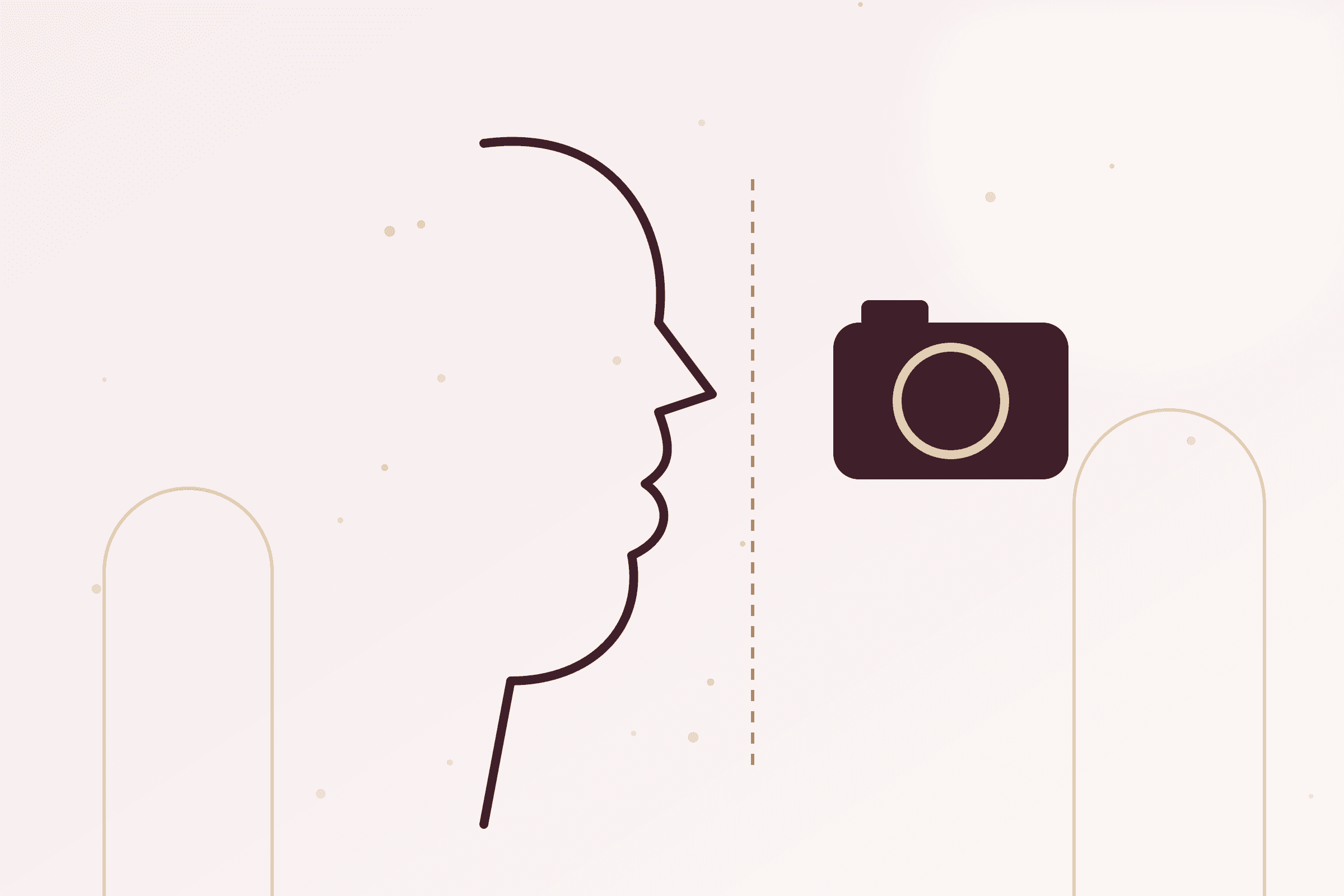
Facial and dental photographs
I take photographs of the face from the front and in profile, of the smile and of the teeth. They show what cannot be seen in the mouth: facial proportions, the profile, the position of the lips and how the smile fits the face. We also track changes throughout treatment with these photographs.
- For every patient
- To track the result
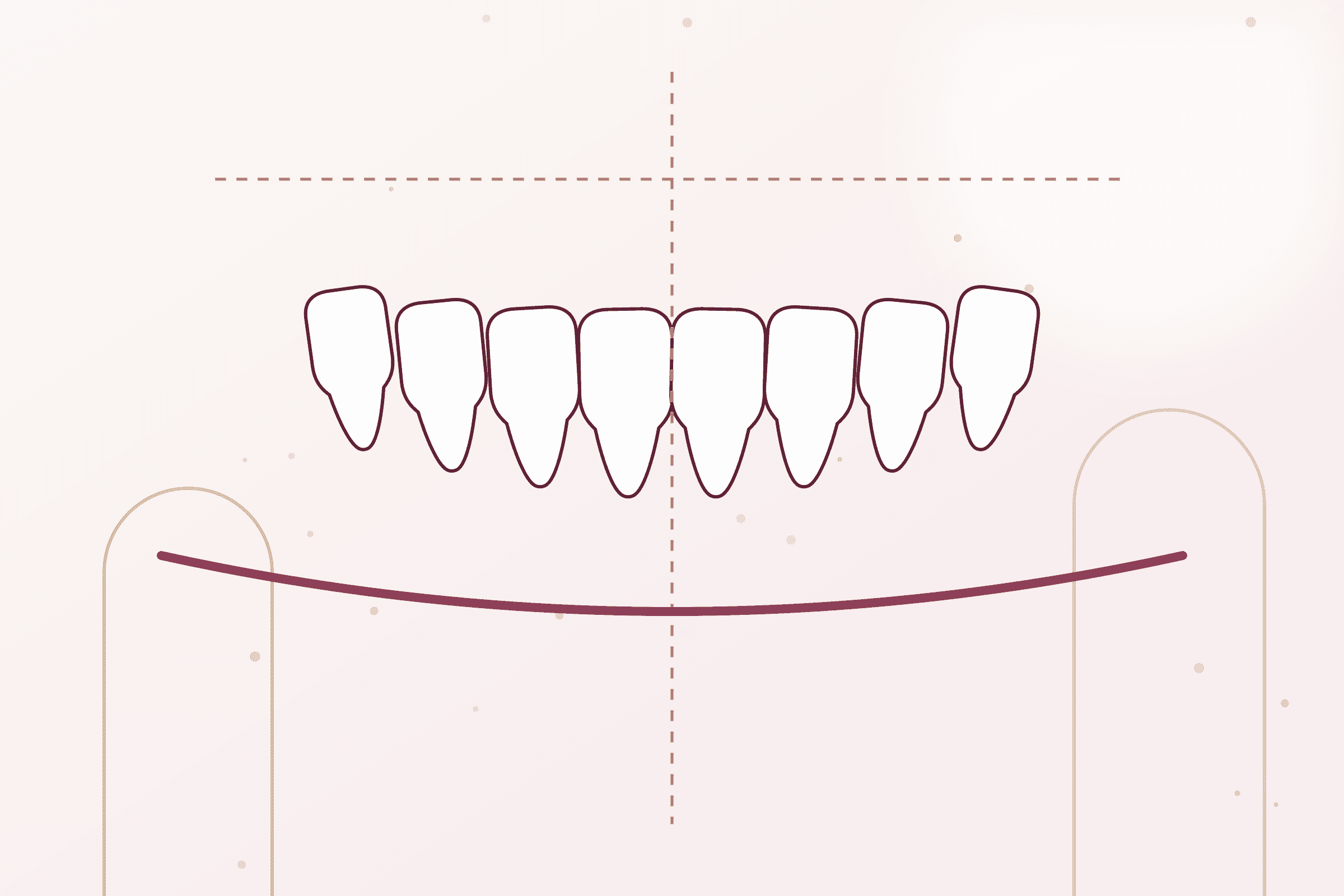
Smile analysis
I look at how the edges of the upper front teeth follow the curve of the lower lip, at the position of the front teeth and at how much tooth and gum show. This is the basis of the Pitts philosophy: the plan starts from how the smile will look.
- Pitts philosophy
- Smile arc
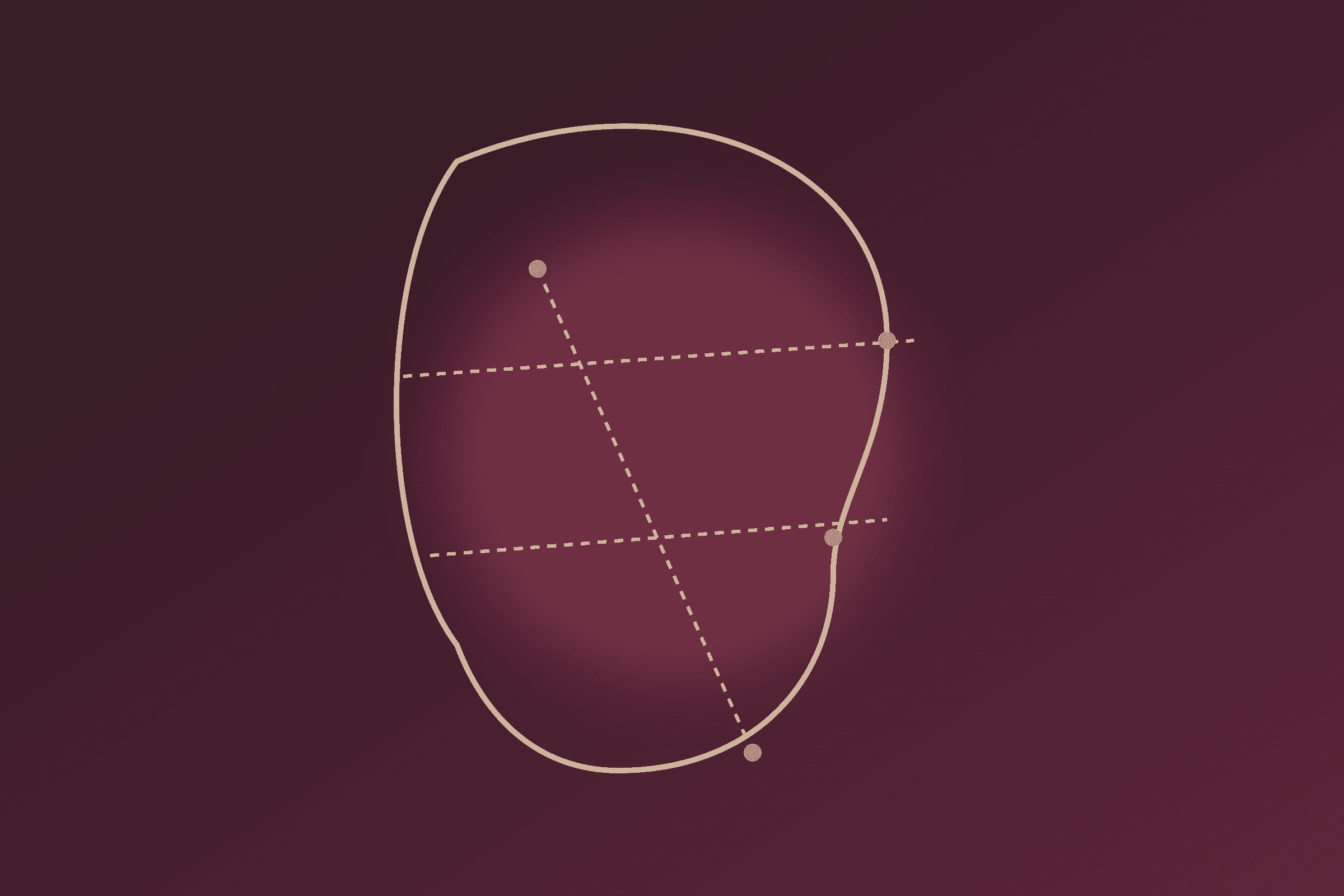
X-rays and cephalometry
When needed I order X-rays. Cephalometry means measurements on a side X-ray of the skull: it shows how the jaws relate to each other and to the face and the angle of the front teeth. This is how we tell whether the problem lies in the teeth or in the structure of the jaws.
- Accurate diagnosis
- When indicated
During treatment
Tools that make tooth movement precise and controlled.
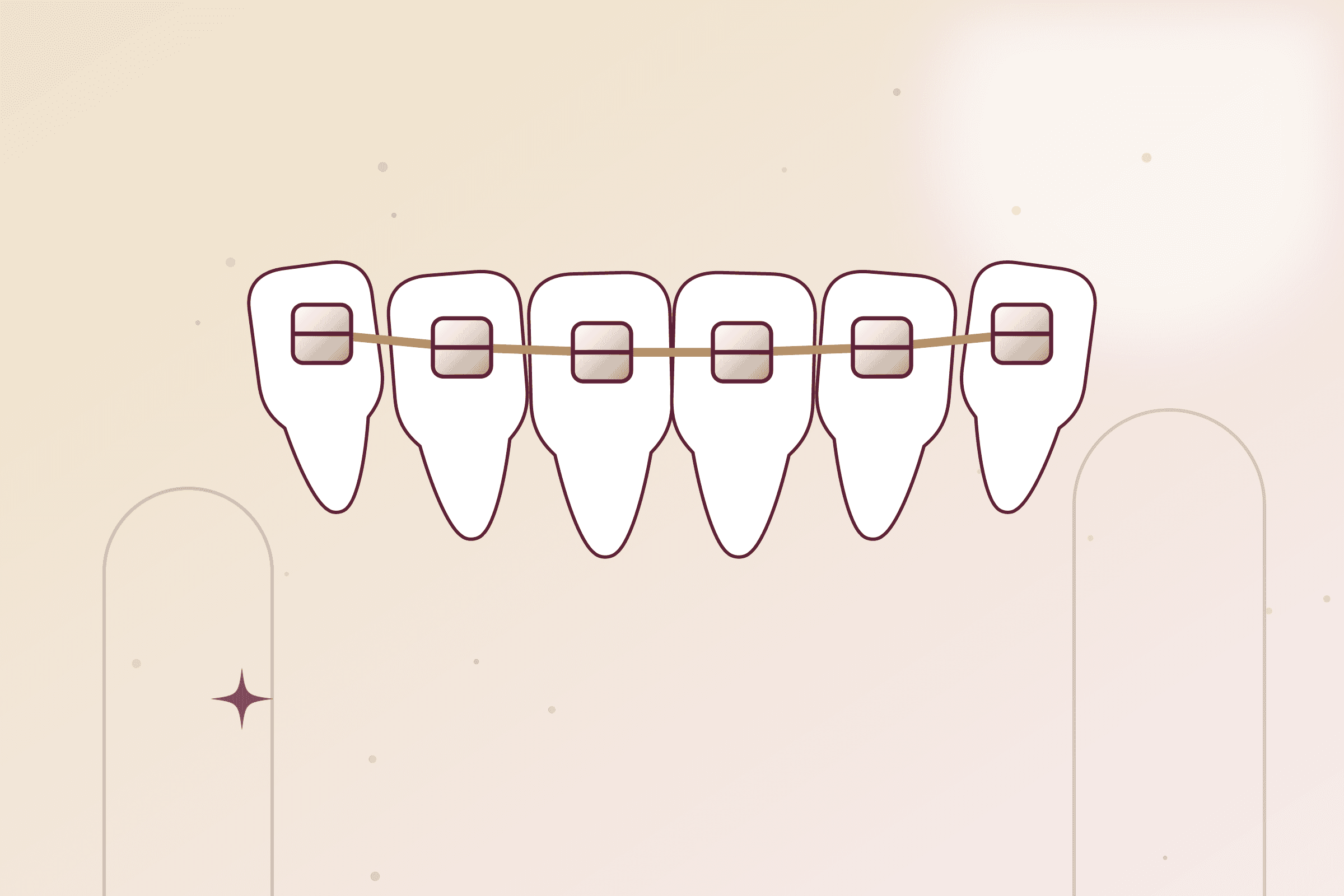
Pitts21 Pro bracket system
A self-ligating bracket system developed on the basis of Dr. Tom Pitts’s approach. It allows the teeth to be moved with gentle forces and the aesthetic position of the front teeth to be controlled precisely. In some cases this system makes it possible to complete treatment with fewer adjustments.
- Gentle forces
- Aesthetic control
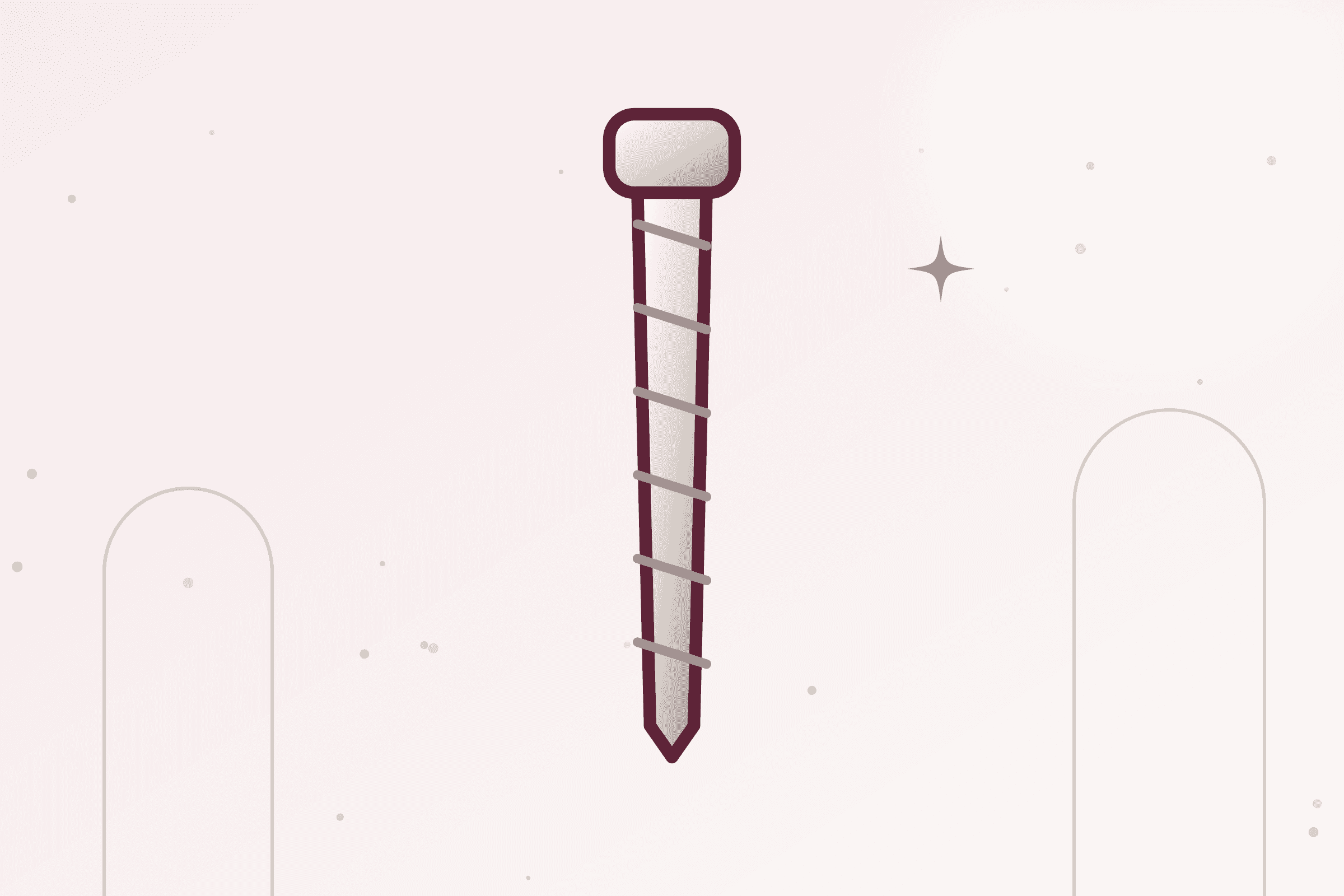
Mini-screws (TADs)
Small titanium screws placed temporarily in the jawbone create a stable anchor for moving teeth. Placement takes a few minutes and they are removed when treatment is over. They are especially useful for gummy smile correction and for movements that are difficult with braces alone.
- Temporary
- Precise movement
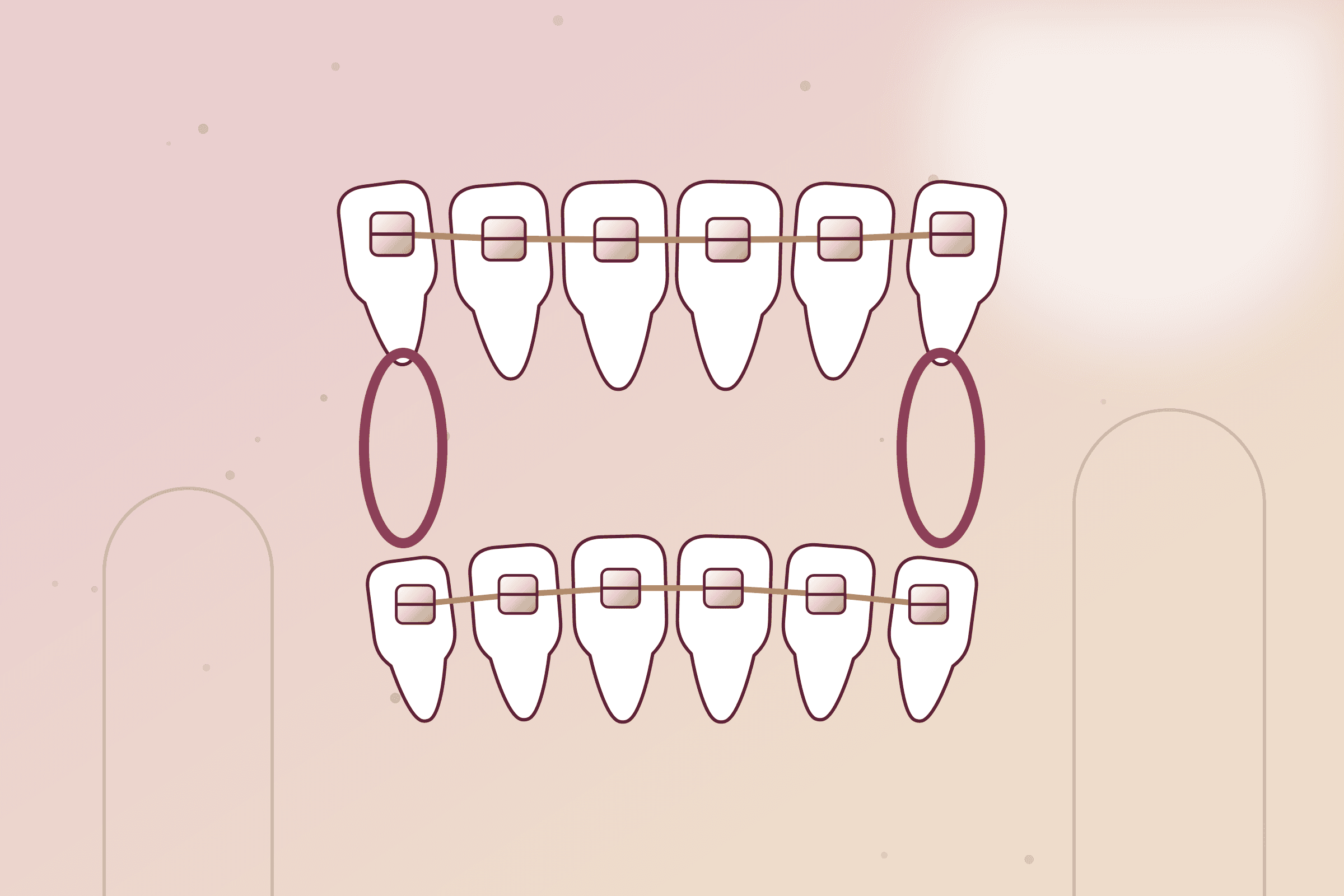
Elastics (rubber bands)
Small rubber bands that create a force between the upper and lower jaws. Patients put them on themselves and change them as instructed. Wearing elastics regularly directly affects the result and the length of treatment.
- Patient participation
- Bite correction
Which treatment suits you?
We decide this together at the consultation. I assess the teeth, the bite and the face and suggest only what is needed.