Mouth breathing and the bite: what to watch for in children
How habitual mouth breathing affects the development of the face and jaws, its causes, which doctors work together and what a meta-analysis says.

AuthorDr. Fidan AliyevaOrthodontist, Pitts Masters graduate
Short answer: if a child constantly breathes through the mouth during the day and in sleep, it is not just a breathing issue. According to a meta-analysis, habitual mouth breathing in childhood is associated with changes in the development of the facial skeleton: the lower face becomes longer, the lower jaw sits further back and the upper jaw narrows. The cause is often a nose or adenoid problem, so the orthodontist works together with an ENT doctor.
Normal breathing is through the nose: the mouth is closed and the tongue touches the palate. When the tongue rests against the palate it supports the upper jaw from inside and helps it develop to the right width. With mouth breathing the tongue drops, the jaw stays open and this balance is disturbed. In this article I explain the signs, the causes and the role of the orthodontist.
Signs
- The mouth often stays open during the day
- Mouth breathing in sleep, snoring, restless sleep
- A dry mouth and chapped lips in the morning
- Frequent nasal congestion, allergies
- Daytime tiredness, difficulty concentrating
- A narrow palate, crowded teeth, crossbite or open bite
Causes
| Cause | Who assesses it |
|---|---|
| Enlarged adenoids and tonsils | ENT doctor |
| Allergic rhinitis, chronic nasal congestion | ENT doctor, allergist |
| Deviated nasal septum | ENT doctor |
| Narrow upper jaw and narrow nasal cavity | Orthodontist |
| Habit: the mouth stays open even after the cause is gone | Orthodontist, myofunctional exercises |
Effect on the face and bite
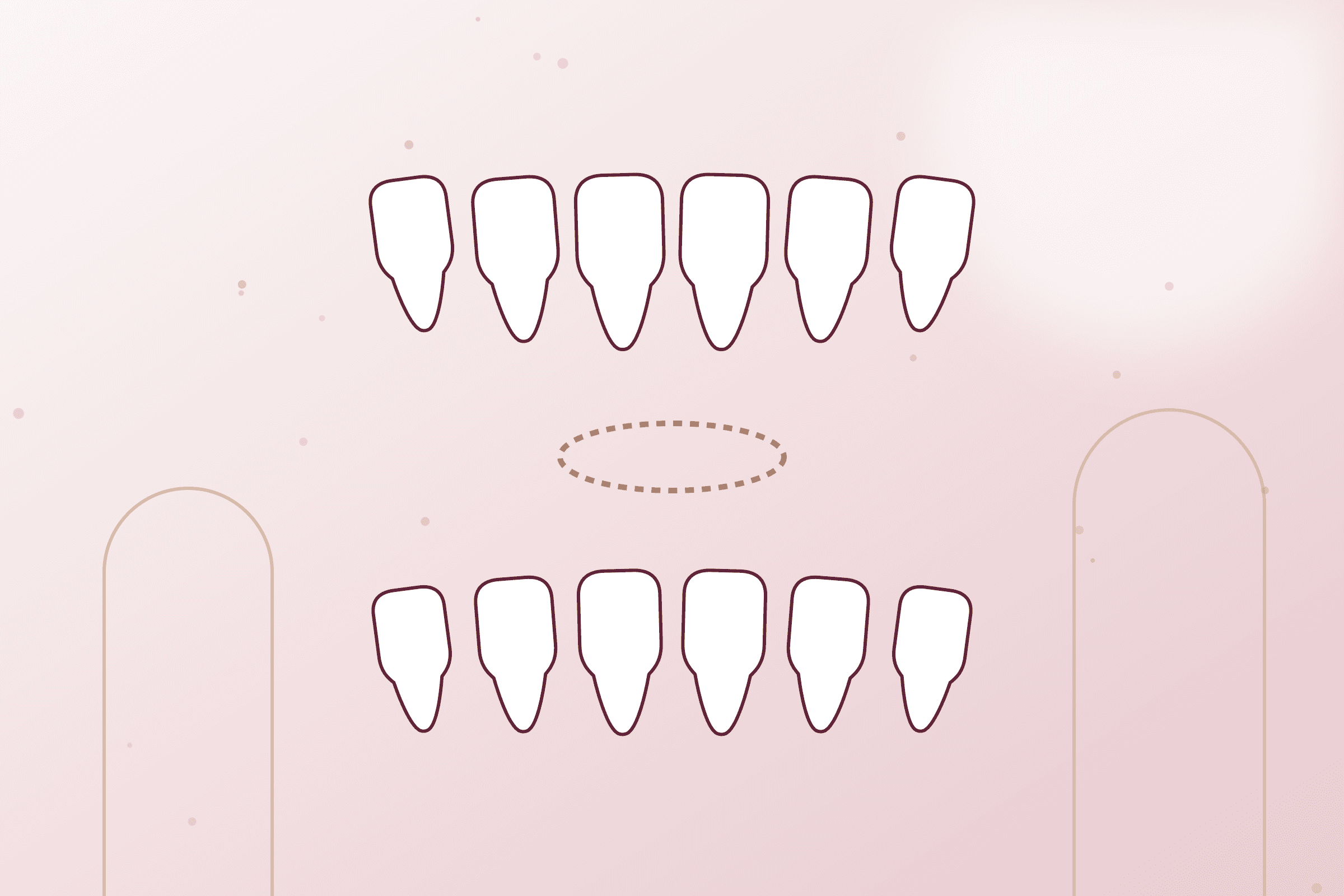
In the meta-analysis children who breathed through the mouth had a longer lower face, a more retruded lower jaw and a narrower upper jaw than children who breathed through the nose. These changes in turn affect the bite:
- A narrow upper jaw and crossbite. See: crossbite
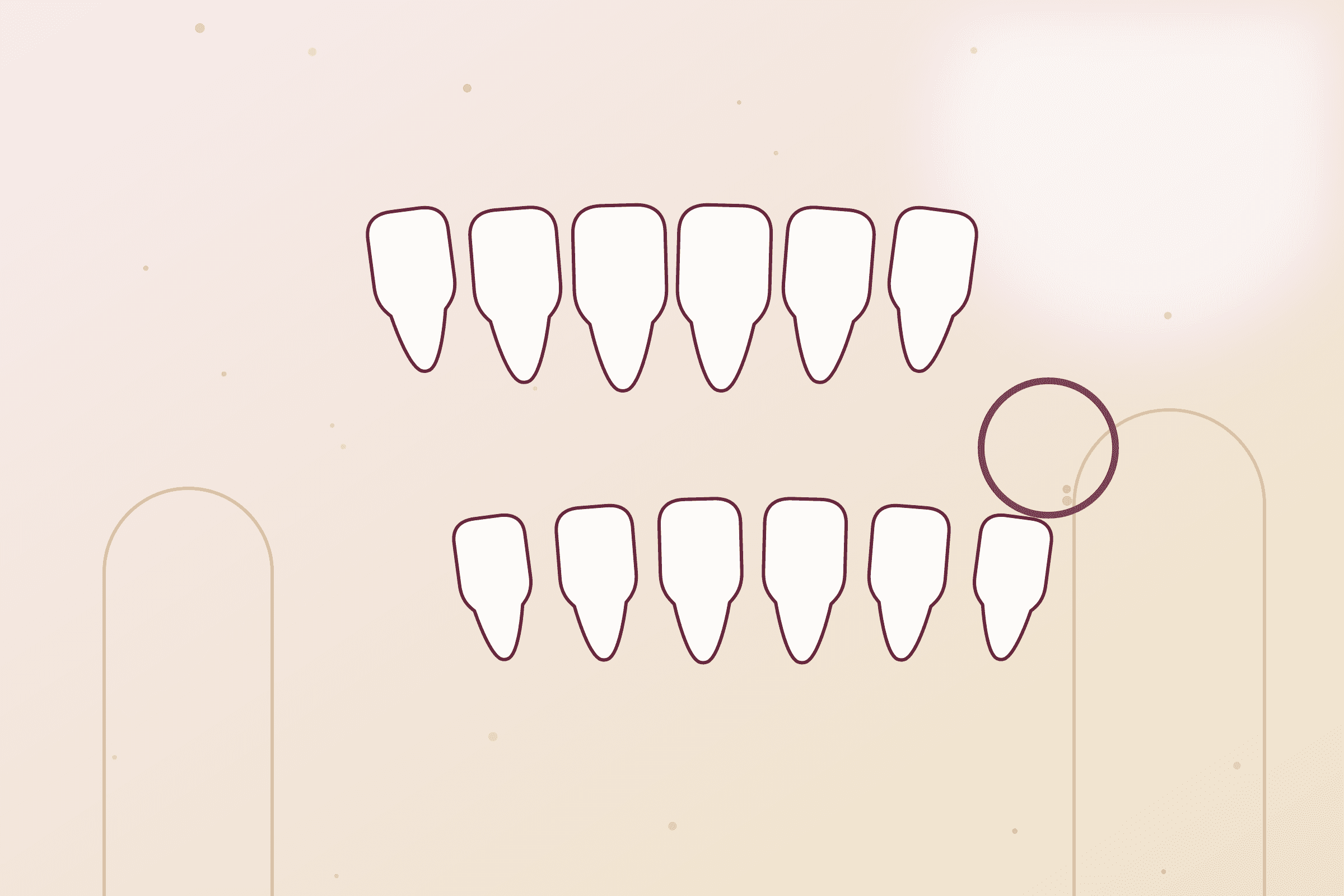
- Front teeth that do not meet. See: open bite
- Crowded teeth
- Prominent upper front teeth
- Difficulty closing the lips
Teamwork
Treating only the teeth without removing the cause of mouth breathing is a half-measure. So when I see these signs during an examination, I refer the child to an ENT doctor. Once the nasal airway is open, orthodontic treatment gives a more stable result. Sometimes it works the other way round: widening a narrow upper jaw may also have a positive effect on the width of the nasal cavity.
What the orthodontist can do
- Widen a narrow upper jaw during growth. See: palatal expansion
- Monitor the development of the bite
- Recommend exercises for the correct tongue position and lip closure
- Functional appliances if needed
What parents can do at home
- Watch your child in sleep for a few nights: is the mouth open, is there snoring
- During the day, for example in front of the TV, see whether the mouth stays open
- If nasal congestion lasts long, see an ENT doctor
- Plan an orthodontic check from age 6. See: when should a child first see an orthodontist
How the examination goes
- A conversation with the parent: sleep, snoring, nasal congestion, allergies
- I look at whether the child’s lips are closed at rest
- I assess the shape of the palate and the width of the upper jaw
- I check the bite: crossbite, open bite, crowding
- I refer to an ENT doctor if needed
- Depending on the findings, monitoring or an orthodontic treatment plan
The ENT doctor’s opinion is an important part of the orthodontic plan. For example, if the adenoids are enlarged, their treatment sometimes comes before orthodontic treatment.
Tips for daily habits
- Teach your child as a game to keep the lips gently closed and the tongue touching the palate during the day
- Make regular nose cleaning, with saline rinses if needed, a habit
- Keep the room air clean and humid
- If there is an allergy, follow the doctor’s advice
- Pay attention to sleep and snoring and note any changes
What the science says
- Systematic review and meta-analysis (2021): mouth breathing in children is associated with changes in the development of the facial skeleton, including an increased vertical facial dimension and a retruded lower jaw.
It should be noted that these studies show an association, not cause and effect in every individual child. That is why we assess each child individually.
Correct breathing is part of correct growth.
If you see these signs, book a visit. More: orthodontics for children.
Frequently asked questions
Does mouth breathing stop after adenoid removal?
It often improves, but sometimes the habit remains. In that case exercises for lip closure and tongue position help.
How does mouth breathing affect the teeth?
A dry mouth increases the risk of decay and gum inflammation, and a low tongue position can contribute to narrowing of the upper jaw.
Does palatal expansion help breathing?
In some children it may have a positive effect on the width of the nasal cavity, but the main goal is to correct the bite. An ENT assessment is important for the breathing problem.
Can the mouth be taped at night?
I do not recommend this for children. First you need to find out what is preventing nasal breathing.
Does mouth breathing affect a child’s sleep?
Mouth breathing is often accompanied by snoring and restless sleep. If there are such signs, an ENT examination is important.
Related service
Scientific sources
The information in this article is based on the following peer-reviewed scientific articles and systematic reviews.
- Zhao, Z., Zheng, L., Huang, X., Li, C., Liu, J., & Hu, Y. (2021). Effects of mouth breathing on facial skeletal development in children: a systematic review and meta-analysis. BMC Oral Health, 21(1), 108. [PMID: 33691678] | [DOI: 10.1186/s12903-021-01458-7]