When a child’s lower jaw sticks out: when to worry
What it means when the lower teeth bite in front of the upper teeth, the causes, the possibilities of early treatment and what the Cochrane review says.

AuthorDr. Fidan AliyevaOrthodontist, Pitts Masters graduate
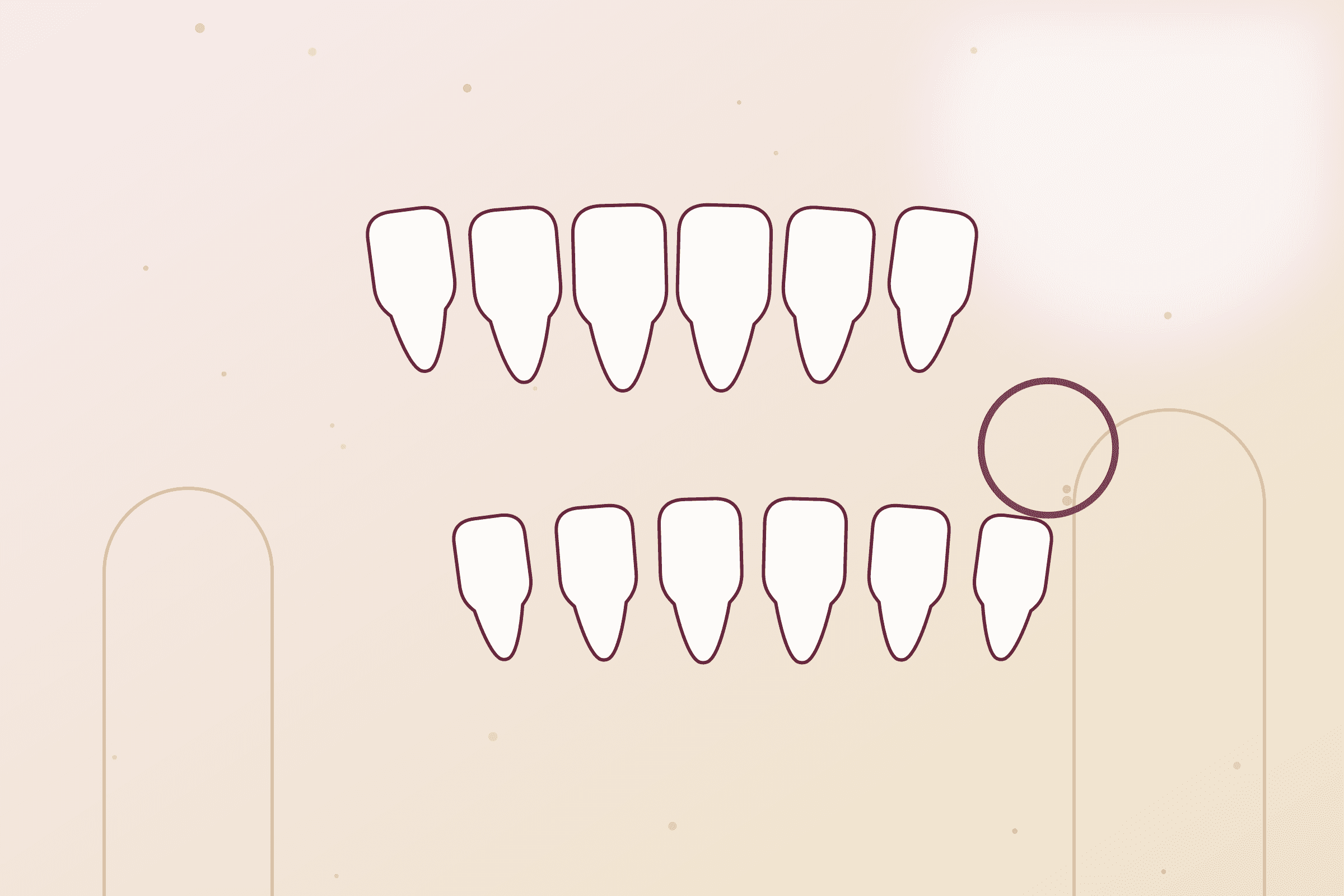
Short answer: if the lower front teeth stay in front of the upper teeth when your child bites together, or the lower jaw looks prominent, show this to an orthodontist without delay. This is called a Class III bite. The cause may lie in the teeth, in an underdeveloped upper jaw or in excessive growth of the lower jaw. During growth some appliances can improve the relationship of the jaws, which is why an early check is especially important.
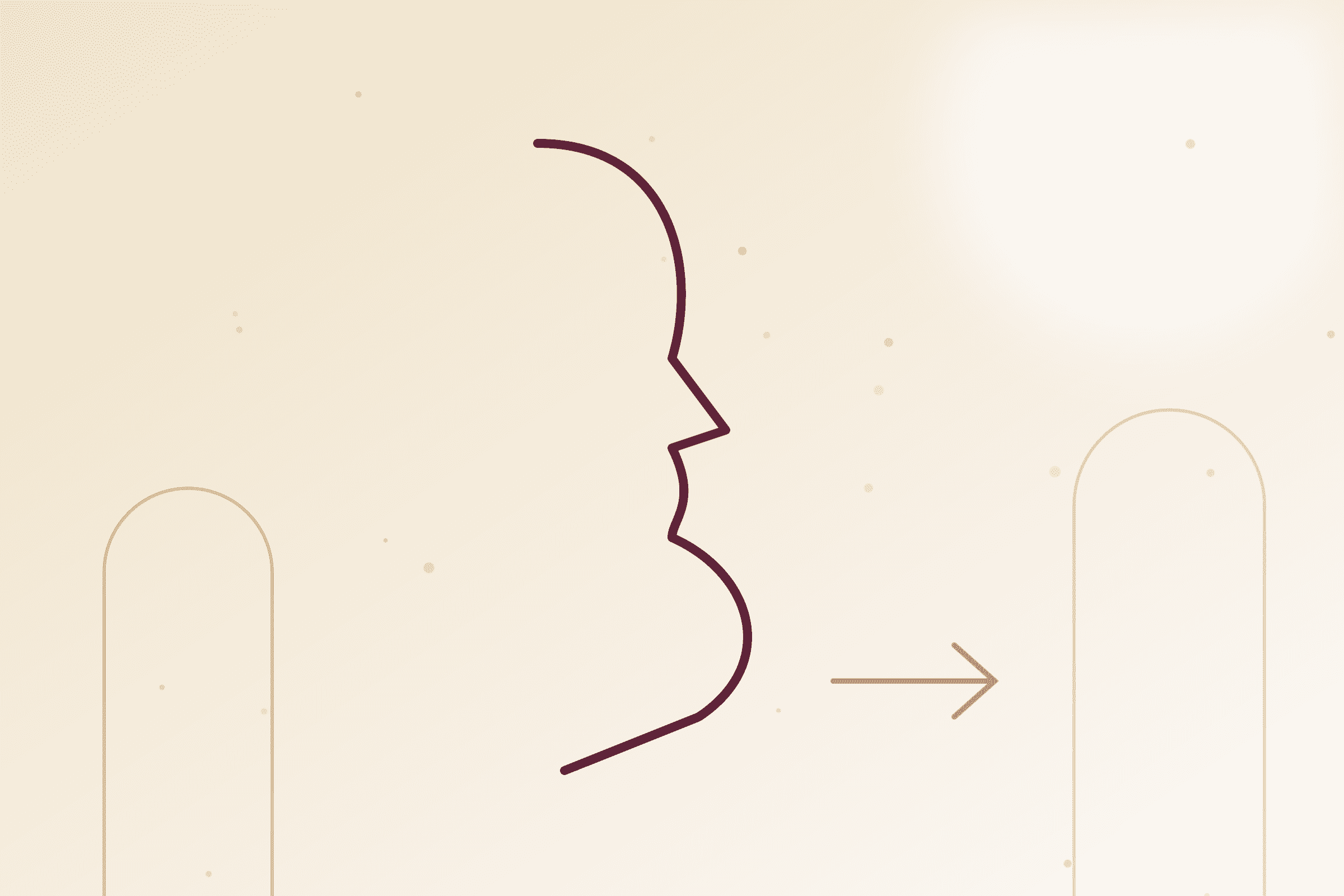
Parents often notice this in photos or when the child is seen from the side: the lower lip and chin stick out and the profile looks "sunken". Sometimes only one or two front teeth bite the wrong way. In this article I explain the differences, the causes and the treatment options.
Types of reverse bite
| Type | What happens | How serious |
|---|---|---|
| Dental | One or a few front teeth have come in the wrong way | Usually simple, corrected quickly |
| Functional | When the teeth touch, the lower jaw slides forward | If not corrected in time it may become skeletal |
| Skeletal | The upper jaw is underdeveloped or the lower jaw has grown too much | The most complex, needs long-term monitoring |
Causes
- Heredity: the risk is higher if a close relative has a prominent lower jaw
- A narrow or set-back upper jaw
- Irregular change of baby teeth
- A low tongue position and mouth breathing
- Excessive growth of the lower jaw
Identifying the cause is decisive for treatment. That is why during the examination I look not only at the teeth but also at the profile, how the jaw moves when biting and the family history.
Why early
The sutures of the upper jaw are more flexible in childhood, and its development is easier to influence during growth. In a functional reverse bite, if the jaw shift is not eliminated in time, bone growth may follow that direction too. That is why I recommend the first orthodontic check from age 6, and earlier if there is such a sign. More: when should a child first see an orthodontist.
Treatment options
- A simple appliance or a short phase of braces for one or two teeth that bite the wrong way
- Widening the upper jaw. See: palatal expansion
- A face mask: worn at night, it helps bring the upper jaw forward
- Functional appliances
- Regular monitoring until growth is complete
Which tool is chosen depends on the type of problem, the age and the child’s cooperation. I talk to the child directly and explain why the appliance is needed so that the child takes part in the process.
Where honesty matters
In skeletal Class III early treatment can help a lot, but growth continues in adolescence and sometimes the problem shows up again. That is why we keep monitoring growth after early treatment. In some cases, after growth is complete, orthodontic treatment may need to be combined with jaw surgery. I tell parents this openly in advance.
What parents can check at home
- When the child bites together, do the lower front teeth stay in front of the upper teeth
- Seen from the side, do the lower lip and chin look prominent
- Does the jaw slide forward or sideways when chewing
- Is there a similar bite in the family
Stages of treatment
- Determining the type with an examination, profile photographs and X-rays
- Eliminating a functional shift if there is one
- Widening the upper jaw if needed
- Guiding the upper jaw forward with a face mask or other appliances
- Regular monitoring of growth
- A final phase after the permanent teeth have come in, if needed
The effect of a face mask depends directly on how much the child wears it. So I build the routine together with both the child and the parent: at what hours, in what situation and for how long.
What the science says
- Cochrane review (2024): in children with a Class III bite some appliances such as a face mask improve the relationship of the jaws and teeth in the short term. The certainty of evidence is low to moderate, and data on long-term results are limited.
With this problem, time is our most important ally. Seeing it early increases the options.
More about orthodontics for children: orthodontics for children. If you see one of these signs, book a visit.
Frequently asked questions
Does a reverse bite in baby teeth correct itself?
Sometimes it corrects as the teeth change, but waiting can be risky. At the examination we assess the cause and decide whether to monitor or treat.
Is a face mask painful?
It does not hurt, it just takes getting used to in the first days. It is usually worn at home and at night.
Will surgery be needed after early treatment?
It depends on how growth continues. In many children early treatment is enough, in some additional treatment is needed after growth is complete.
At what age should we come?
As soon as you notice the front teeth biting the wrong way. If there are no signs, age 6 is right for the first check.
How common is a Class III bite?
It is less common than other bite problems, but the risk is higher when there is a similar bite in the family. That is why I always ask about family history.
Can growth bring the problem back after treatment?
Yes, this is possible, especially in adolescence. That is why we keep monitoring until growth is complete.
Related service
Scientific sources
The information in this article is based on the following peer-reviewed scientific articles and systematic reviews.
- Owens, D., Watkinson, S., Harrison, J. E., Turner, S., & Worthington, H. V. (2024). Orthodontic treatment for prominent lower front teeth (Class III malocclusion) in children. Cochrane Database of Systematic Reviews, 4(4), CD003451. [PMID: 38597341] | [DOI: 10.1002/14651858.CD003451.pub3]